Address
304 North Cardinal St.
Dorchester Center, MA 02124
Work Hours
Monday to Friday: 7AM - 7PM
Weekend: 10AM - 5PM
Address
304 North Cardinal St.
Dorchester Center, MA 02124
Work Hours
Monday to Friday: 7AM - 7PM
Weekend: 10AM - 5PM

 Byadmin
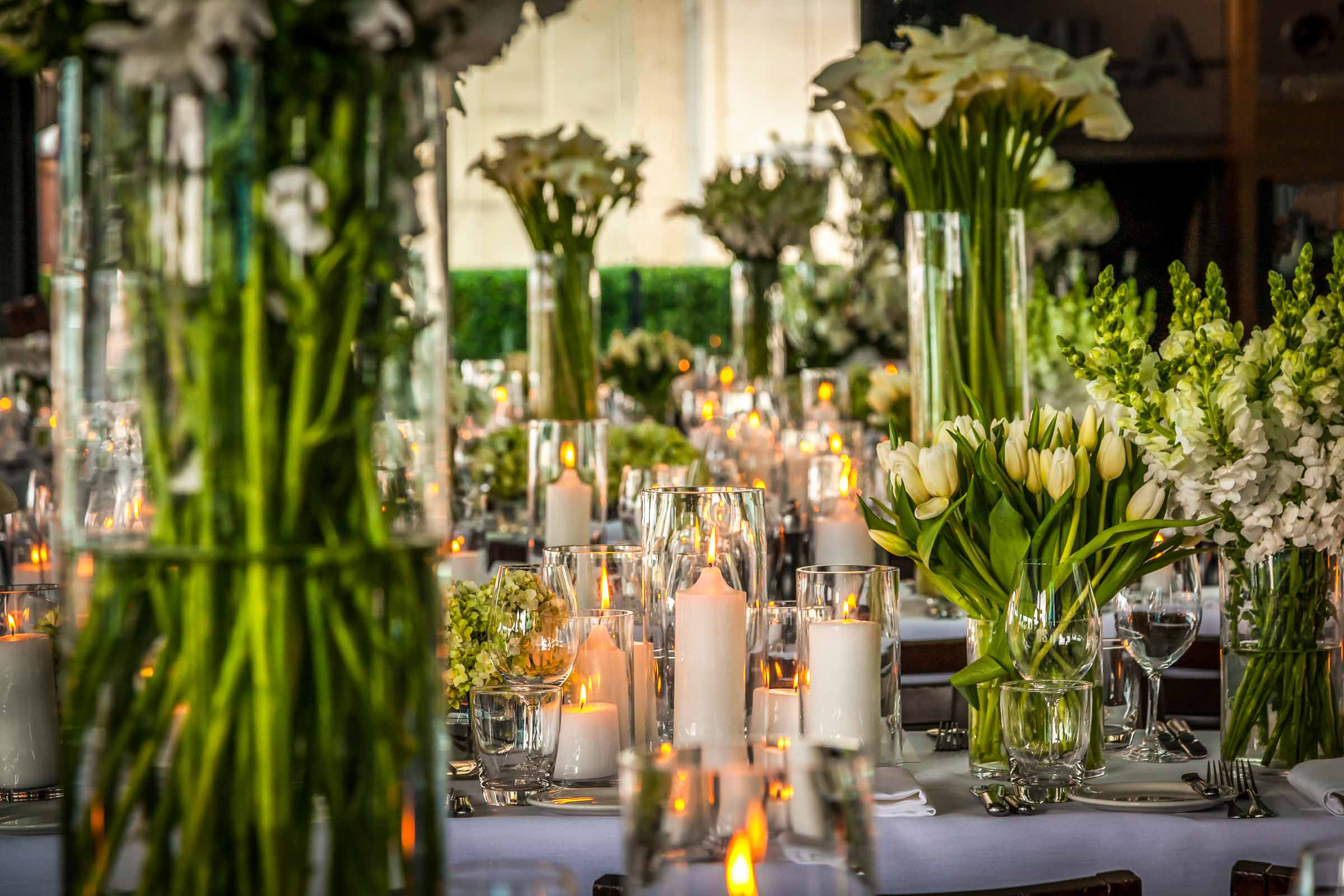
Wedding flowers do more than decorate a room. They establish the mood, frame important moments and tie a colour palette together across the ceremony and reception. The best wedding flowers feel connected to the couple and the venue, not copied from a trend board. In Sydney, that means planning around the season, the setting, the day’s weather and the logistics of getting delicate arrangements to the right place at the right time.
Start with the feeling you want guests to experience. A garden ceremony might call for loose seasonal stems and foliage; a city venue could suit a sculptural palette with clean lines; a coastal celebration may benefit from hardy flowers and wind-aware designs. Wedding flowers should look beautiful in person and in photographs, but they also need to work in the actual space.
Gather a few reference images, then look for the common thread: colour, scale, texture or shape. Share the venue, ceremony time, guest count and budget with your florist. Identify the pieces that matter most, often the personal flowers and a ceremony focal point. A clear brief lets the designer recommend a coherent plan instead of pricing a collection of unrelated pictures.
Be open about the budget early. Wedding flowers involve more than the stems themselves. Design time, preparation, delivery, installation and later relocation all influence the final quote. Ask what is included, whether setup and pack-down are separate and which pieces could be reused after the ceremony. A transparent budget makes it easier to prioritise rather than cut important elements at the last minute.
Seasonal availability affects colour, variety and price. Ask what is looking best in your wedding month and build the palette around those options. If a particular flower is essential, make that clear and ask about availability early. Otherwise, choose a flexible colour story and allow substitutions that preserve the overall feel.
The venue changes the design brief. A bright outdoor ceremony needs arrangements that can handle sun and breeze. A low-light reception may call for stronger shapes and reflective foliage. A narrow table may not suit tall centrepieces that obstruct conversation. A coastal venue may benefit from compact, weighted arrangements rather than delicate pieces exposed to wind. Wedding flowers are most effective when they respond to the conditions, not just the mood board.
List the moments where flowers will appear: personal bouquets and buttonholes, ceremony entry, signing table, aisle, reception tables, cake or welcome area. You do not need to decorate every surface. One strong ceremony feature and well-designed table arrangements can make the room feel complete. Plan how pieces might be reused after the ceremony, and decide who will move them and when.
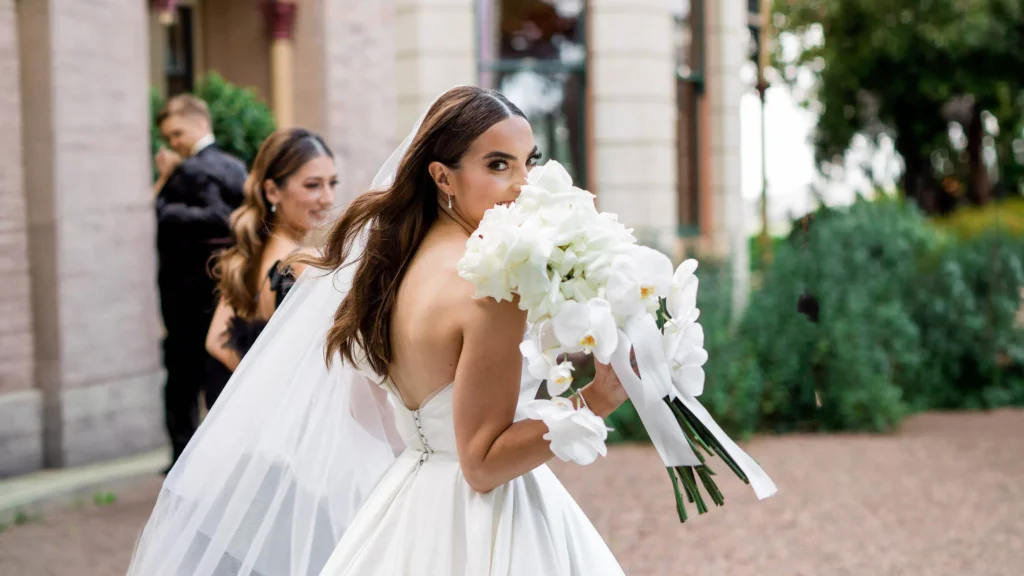
Personal flowers should be comfortable to carry and suited to clothing. A bouquet needs a practical handle and a scale that photographs well beside the wearer. Buttonholes should be secure and not so heavy that they pull on fabric. Include time for delivery and any installation in the schedule, especially when the ceremony venue has limited access hours.
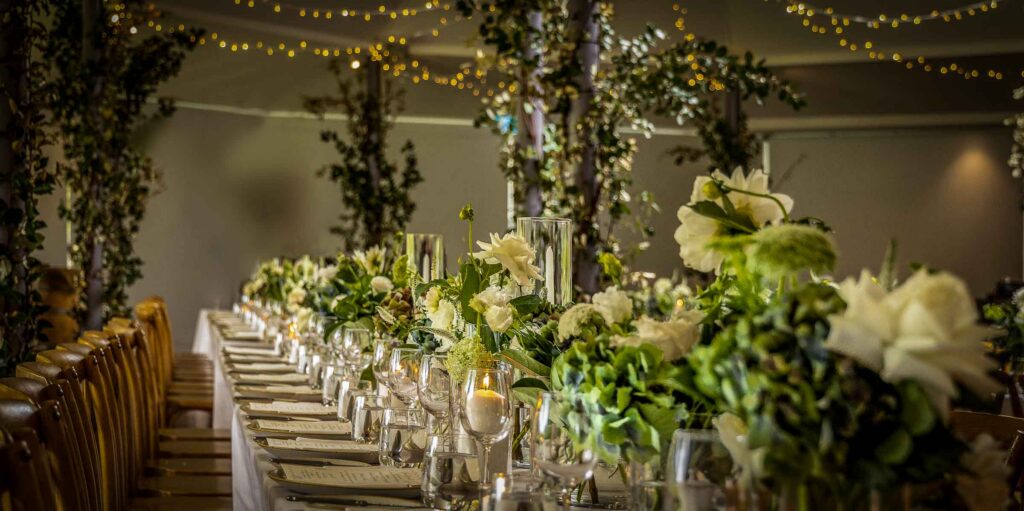
Ask for an itemised proposal that lists each arrangement, delivery, installation and any hire or relocation costs. If the total is higher than expected, protect the pieces that matter most and simplify the rest. Foliage, seasonal varieties, smaller designs and reusing ceremony arrangements can all help manage the spend. Alternate floral centrepieces with candles or simple greenery if the venue permits.
National marriage patterns can help explain why popular dates feel busy. The Australian Bureau of Statistics reports seasonal peaks and other trends in its Marriages and Divorces, Australia release. This is useful context for planning ahead: if you choose a sought-after spring Saturday, book key suppliers early rather than waiting until your design is fully finalised.
The journey from harvest to venue affects a flower’s condition. The University of Melbourne’s published work on Australian native cut-flower vase life and ethylene sensitivity illustrates that varieties can respond differently after harvest. For couples, the practical takeaway is to ask the florist which flowers suit the season and setting, and to follow handling advice on the day.
For outdoor weddings, keep arrangements shaded until they are needed and avoid leaving personal flowers in a hot car. Confirm who is responsible for receiving deliveries and placing each item. A detailed run sheet prevents the florist from having to make decisions in a narrow setup window.
When should we book a florist?
Begin once the date and venue are confirmed, especially for a popular Sydney spring or autumn weekend. An early conversation secures availability and gives the florist time to guide seasonal choices. Wedding flowers may evolve as the colour palette and floor plan settle, but the date, budget and venue are enough to start a useful discussion.
Which arrangements deserve priority?
Choose the pieces that carry the most meaning or visual impact. Many couples prioritise personal flowers, a ceremony focal point and a few reception features. You do not need to fill every surface. Wedding flowers feel more coherent when the main pieces share a palette and support the guest experience.
Can ceremony arrangements be reused?
Often, but reuse needs a plan. A plinth arrangement may move easily; a large installation may require dismantling, transport and new setup. Confirm who will move each item and when. Add labour and timing to the quote instead of assuming a family member can handle it during the transition.
How do we make outdoor flowers safer?
Discuss sun, wind and rain with the florist. Keep bouquets shaded and hydrated before the ceremony, secure freestanding pieces and prepare an indoor alternative if the venue allows it. Flowers selected for the actual conditions are more likely to stay attractive through photographs and the reception.
Confirm the delivery address, venue contact, access window and setup deadline in one written schedule. Include when personal flowers will be distributed and who receives each piece. If the ceremony and reception take place in different rooms or locations, allow time for the move and name the person responsible. Wedding flowers should not be dependent on the couple remembering a list while getting ready.
Ask the venue where the florist can park, unload and store empty packaging. If a weather change moves an outdoor ceremony inside, share the alternative floor plan before the day. These practical details protect the design and make it easier for the supplier to complete the setup without interrupting guests.
Once you approve the proposal, keep one final version of the palette, flower preferences, quantities and venue plan. If the wedding party’s outfits or the table layout change, tell the florist before production begins. A small update can affect bouquet scale, buttonhole colours or where the ceremony pieces will sit. For wedding flowers, written confirmation prevents two people from working from different ideas.
It is also useful to agree on what flexibility means. A seasonal substitution can change an individual stem while retaining the intended shape and colour story. If a certain variety is essential, mark it clearly and discuss a backup. Confirm who has authority to approve a change on the wedding morning, so the florist is not left waiting for a response while the setup window closes.
Good wedding flowers are cohesive, comfortable and suited to the setting. Start with the atmosphere, choose a seasonal palette and identify the few moments that deserve the most attention. Ask clear questions about setup, delivery and reuse. That planning gives your florist room to create a floral story that belongs to your Sydney wedding, rather than a generic version of someone else’s.